What Does “Organic Food for Healthy Lifestyle” Really Mean?
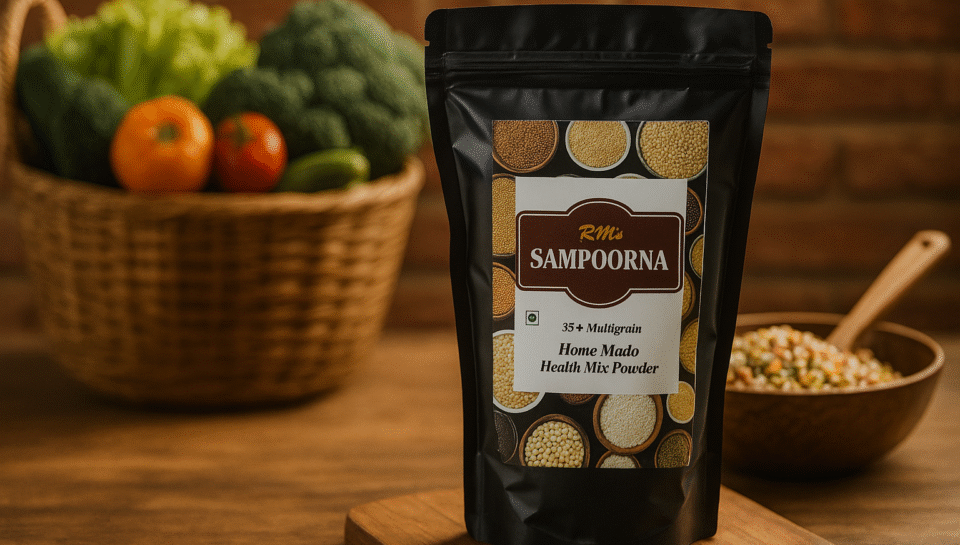
In a world where processed foods dominate supermarket shelves, people are steadily shifting towards clean, chemical-free choices. This shift has made organic food for healthy lifestyle one of the fastest-growing trends across the globe—especially among online buyers. Whether you are new to the organic world or looking to refine your daily diet, this blog will help you understand everything about organic food, why it matters, and how you can choose the right organic products without confusion.
If you’re someone trying to lead a healthier life, reduce toxin intake, and make mindful food choices, this comprehensive guide will help you begin your organic journey with confidence.
What Is Organic Food? A Simple Introduction
organic food for healthy lifestyle refers to food products grown, processed, and packaged without the use of synthetic chemicals, pesticides, fertilizers, hormones, or genetically modified organisms (GMOs).
It involves:
- Chemical-free farming
- Natural fertilizers like compost & cow dung
- No artificial preservatives
- Environment-friendly practices
Organic produce is grown the way nature intended—clean, fresh, and nutrient-rich.
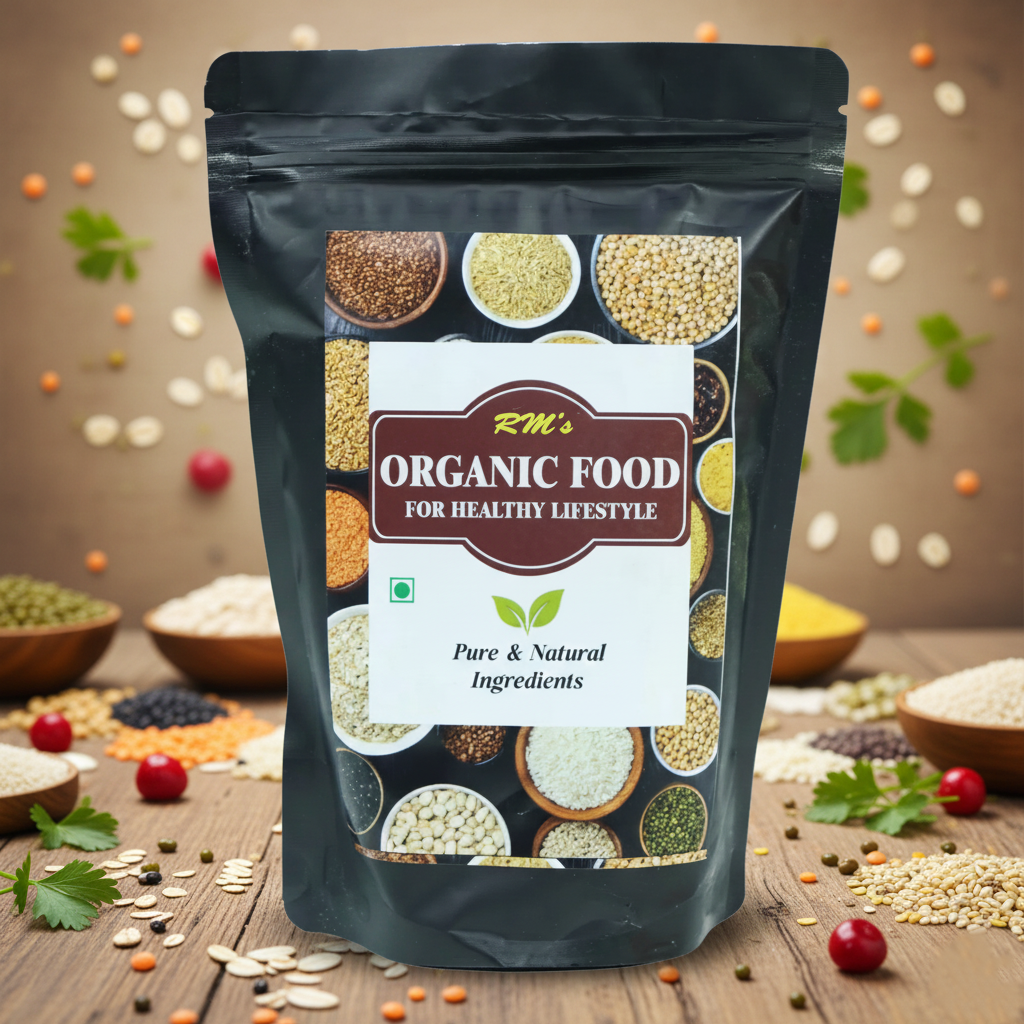
Why Organic Food for Healthy Lifestyle Matters
1. Reduces exposure to harmful chemicals
Conventional foods often contain pesticide residues linked to digestive issues, skin allergies, and long-term health risks. Organic food eliminates these risks.
2. Maintains better nutritional value
Research shows organic foods can contain higher levels of antioxidants, vitamins, and minerals.
3. Is safer for kids and elderly
Children and seniors are more sensitive to chemicals; organic food ensures extra safety and immunity protection.
4. Supports digestive health
Eating clean, chemical-free food improves gut function and overall metabolism.
Choosing organic food is not a luxury—it is a long-term investment in your health and wellbeing.
Organic vs Non-Organic Food: What’s the Real Difference?
| Feature | Organic Food | Non-Organic Food |
|---|---|---|
| Farming Method | Natural | Chemical-based |
| Pesticides | None / natural | Synthetic |
| Taste | Fresher, richer | Often dull / preserved |
| Nutrition | Higher antioxidants | Lower nutrient density |
| Safety | Safe for all ages | Higher chemical exposure |
Top Health Benefits of Eating Organic Food
1. Improved Immunity
Your body absorbs nutrients better without chemical interference.
2. Lower Risk of Chronic Illnesses
Reduced exposure to pesticides helps decrease the chance of lifestyle diseases.
3. Better Energy Levels
Clean food improves metabolism and enhances overall daily performance.
4. Hormone-Free Alternatives
Organic dairy and grains eliminate hormone disruptions common in conventional foods.
5. Better Skin, Hair & Digestion
No chemicals → fewer toxins → visible improvements in overall wellness.
Organic food is not just a diet choice; it’s a complete lifestyle shift.
Best Organic Products to Start With
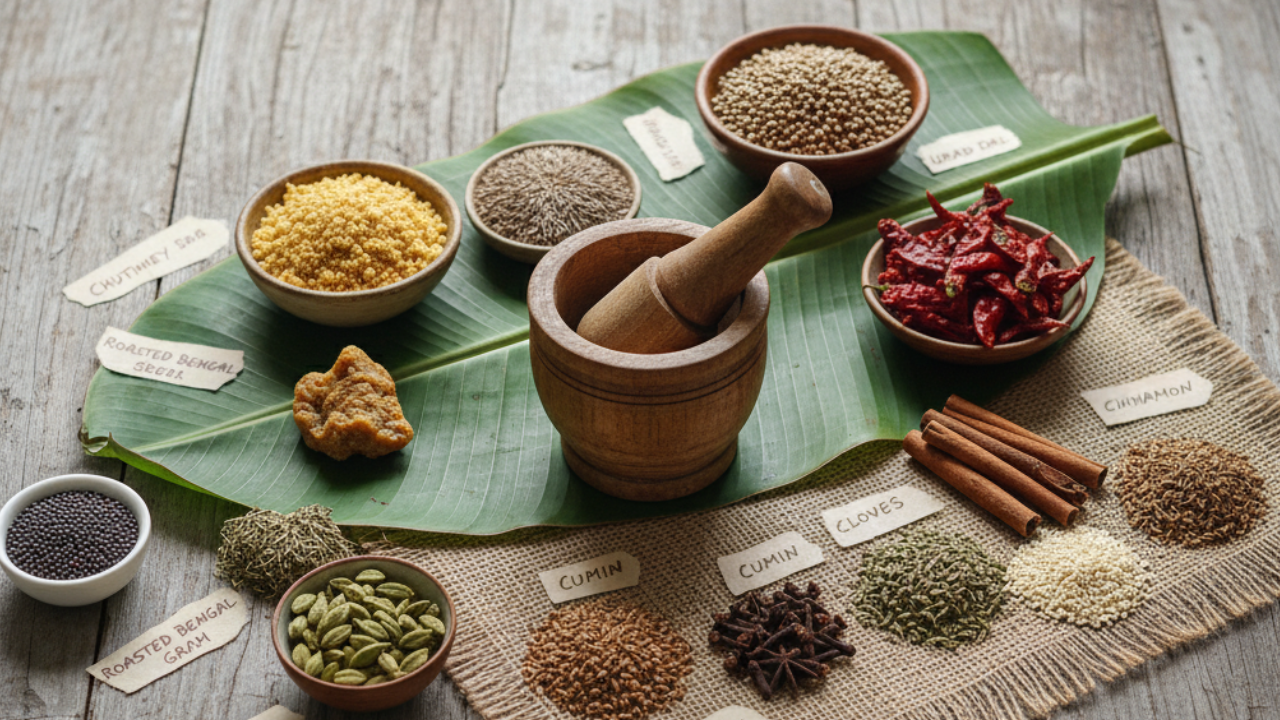
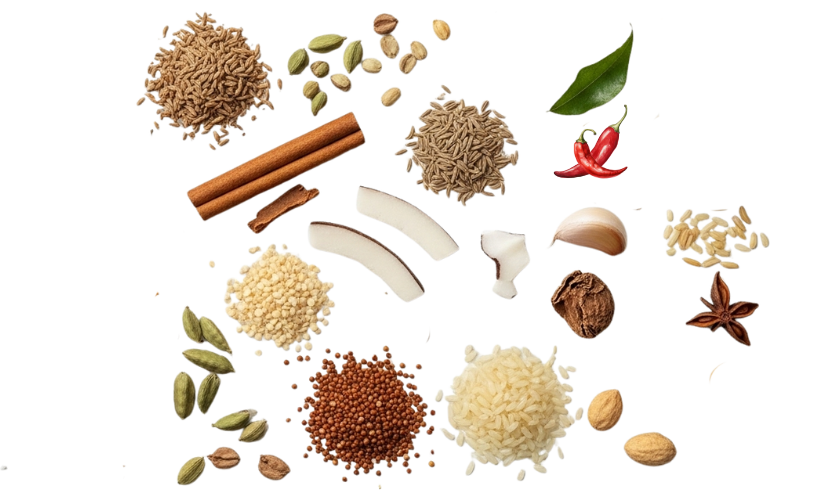
Organic Spices
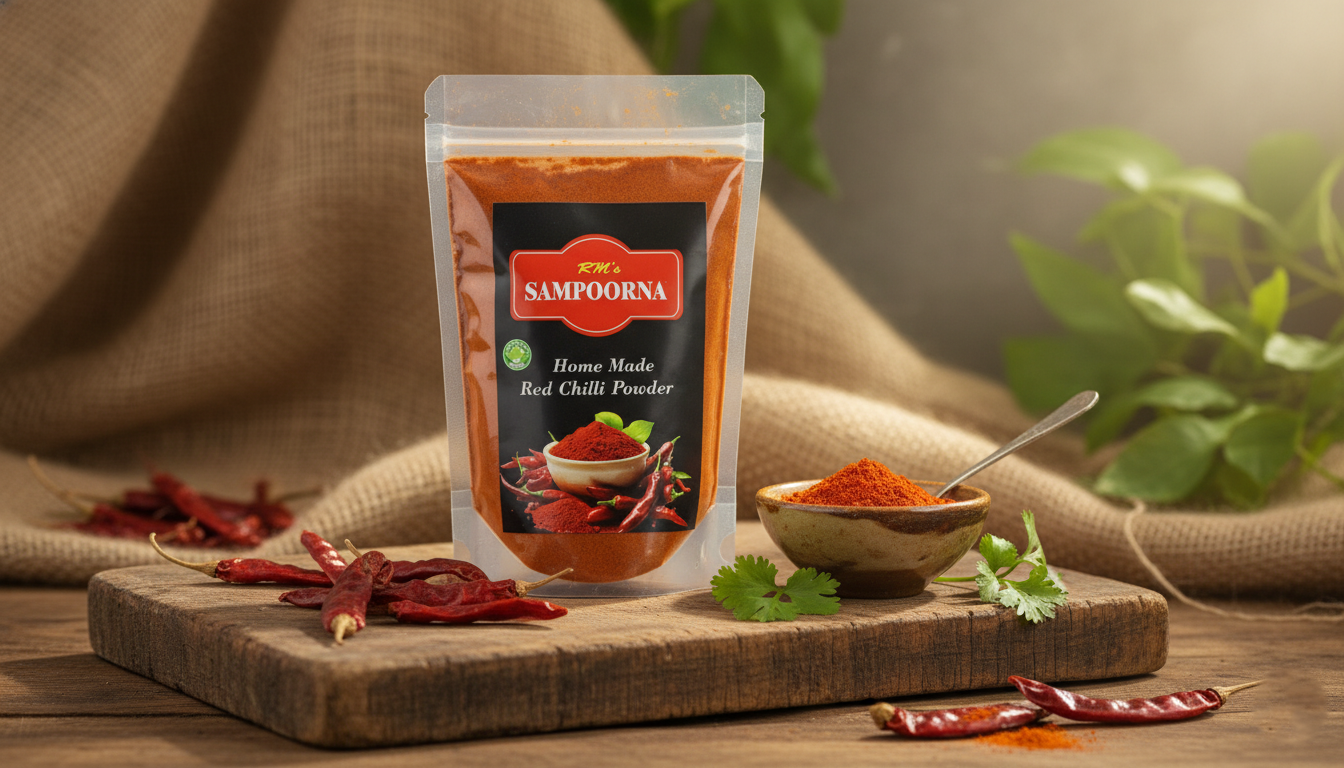
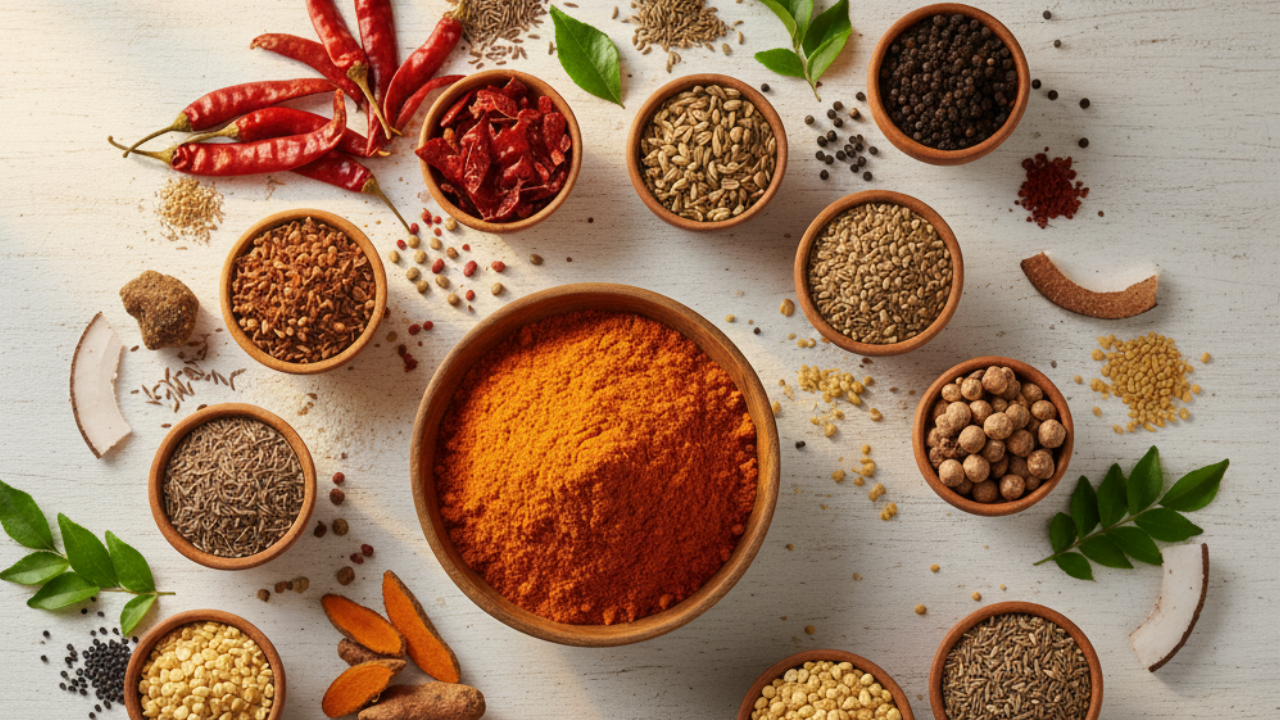
Chemical-free masalas and spices enhance flavor without preservatives.
Organic Flours
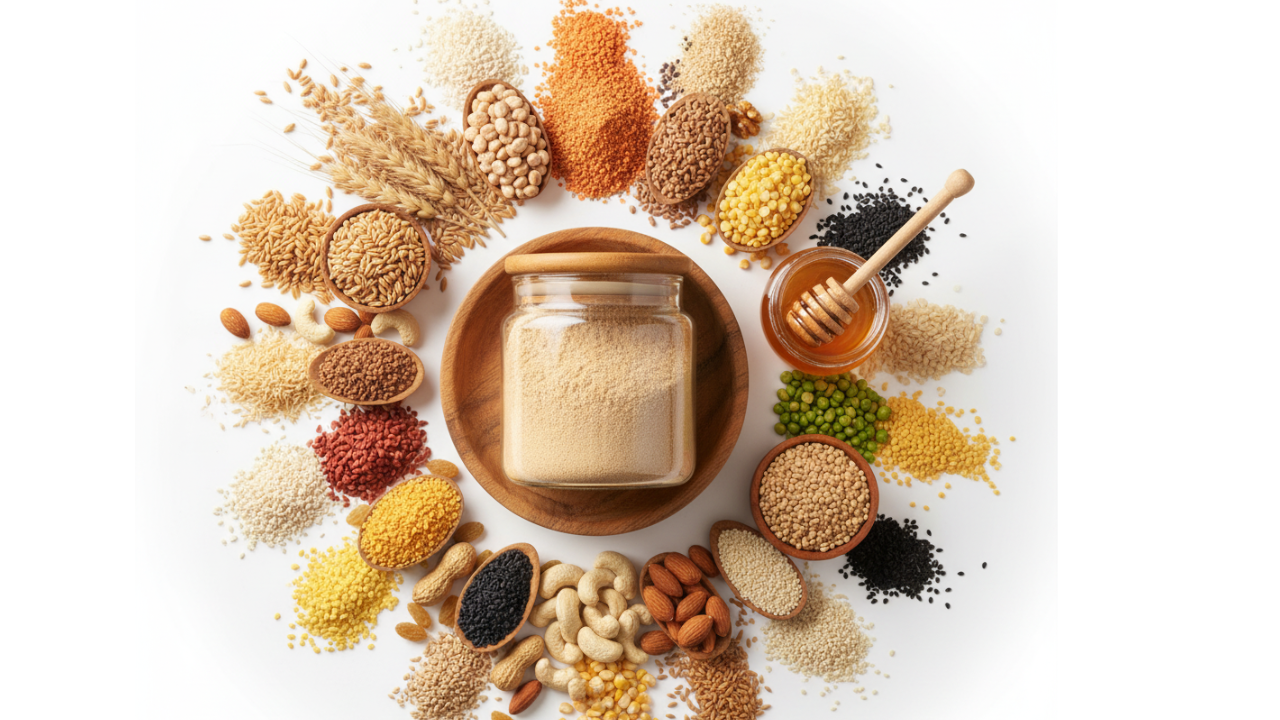
Healthier, more easily digestible, rich in fiber.
Organic Oils
Cold-pressed oils preserve nutrients and natural flavors.
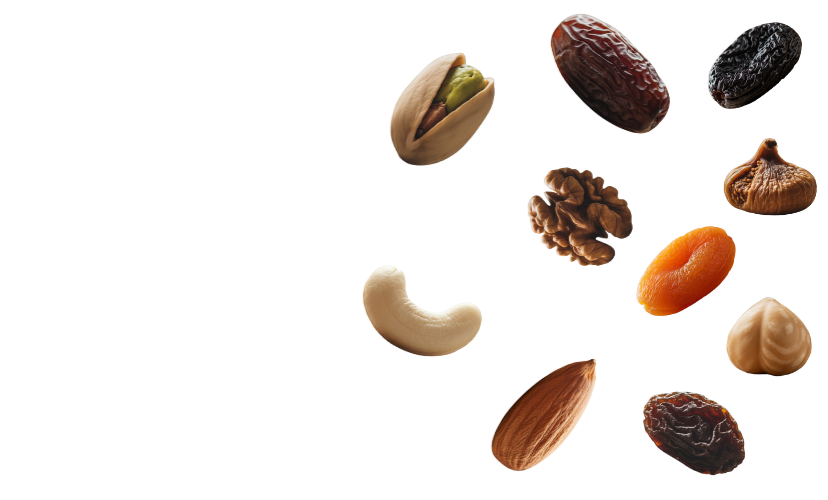
Organic Snacks & Millets
Perfect for guilt-free snacking and weight management.
Conclusion
Organic food is not just a trend—it is a long-term wellness path. Choosing chemical-free, nutrient-rich, and environmentally friendly products helps you stay healthy, energetic, and disease-free.
Whether you want to eat clean, protect your family’s health, or switch to sustainable living, organic food is the best place to start.
Looking for high-quality, authentic organic products?
👉 Explore RM Sampoorna’s Organic Range Today!
Your journey towards a healthier lifestyle begins here.
FAQs
1. Is organic food really healthier?
Yes. contain fewer chemical residues, more antioxidants, and richer nutrients due to natural farming methods. They are safer for kids, seniors, and anyone with health concerns. Organic farming also preserves soil minerals, leading to better-tasting, natural produce.
2. Why is organic food more expensive?
Organic farming is more labor-intensive, uses natural fertilizers, and requires certification. This increases production costs. However, the long-term health benefits far outweigh the additional price—fewer toxins, fewer doctor visits, and better immunity.
3. How do I check if organic food is genuine?
Look for India Organic, Jaivik Bharat, USDA Organic, or FSSAI Organic certifications. Check ingredient labels and avoid artificial additives. Buying from transparent and trusted brands such as RM Sampoorna ensures authenticity
4. Can I start an organic lifestyle on a budget?
Absolutely. Begin with daily essentials such as organic spices and flours. Choose seasonal produce, buy in bulk, and avoid luxury organic snacks. Switching gradually keeps it budget-friendly.
5. Where can I buy authentic organic food online?
You can purchase premium-quality organic products from trusted sites like RM Sampoorna (https://rmsampoorna.com/), which ensures purity, freshness, and reliable certification.